
Written by
Sarah — founder of Solo Fertility 40s. Two failed IVF cycles aged 43, pregnant via a known donor and birthed at 44.

IVF Success Rates Over 40: What the HFEA Data Shows
The number your clinic quotes is rarely the one that applies to you over 40. What the HFEA data actually shows — own eggs, donor eggs, and what the statistics cannot tell you.
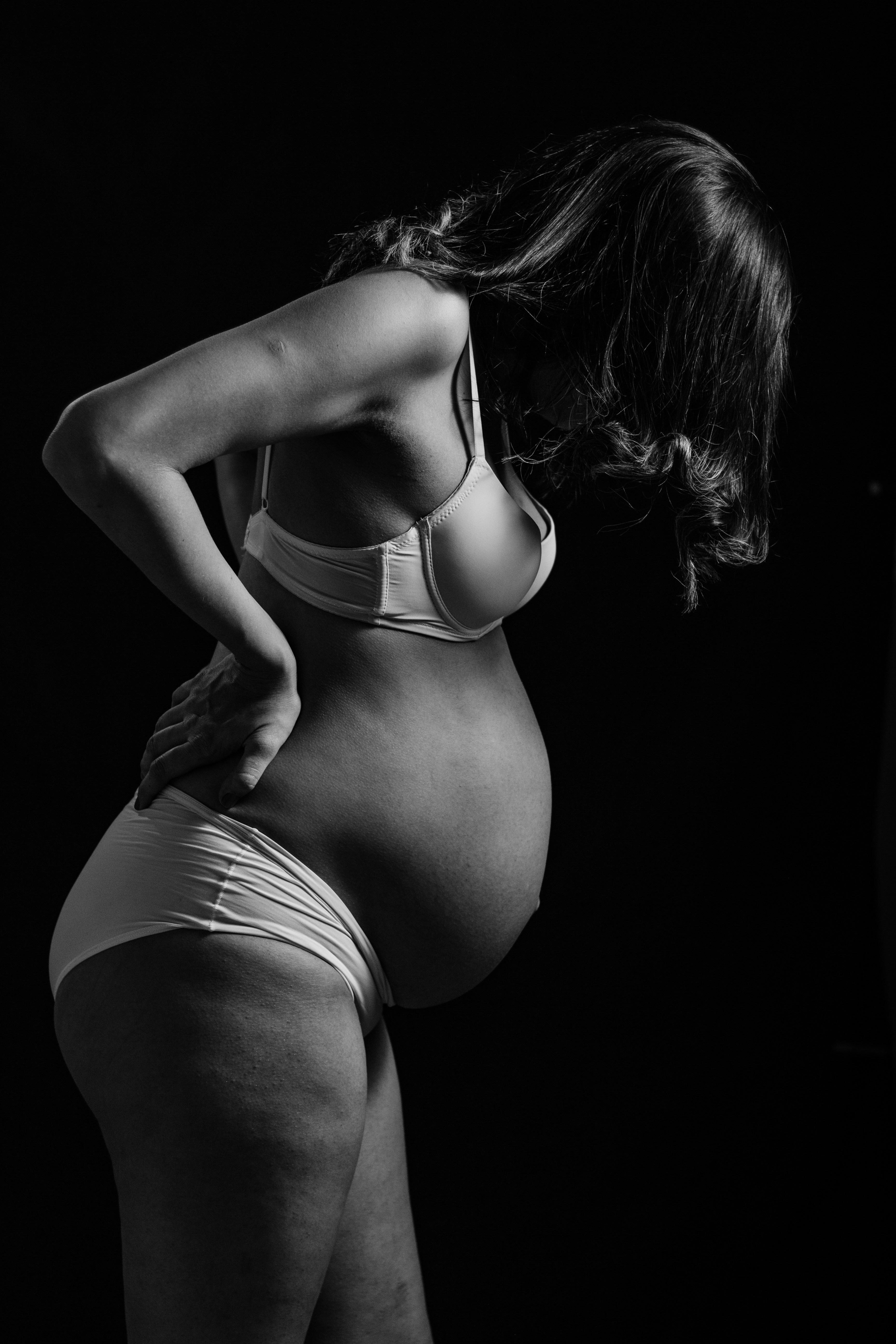
Celebrities Pregnant Over 40: What Their Stories Actually Tell Us
Another headline, another celebrity bump in her mid-forties. But the one detail that would change how you read it almost never gets mentioned.

How Much Does IVF Really Cost as a Solo Woman? What the Clinic Websites Don't Tell You
The costs clinics quote and the costs you'll actually pay are rarely the same. Here's what to factor in before you commit.
Read →
Before You Start IVF Over 40: The Information Gap No One Warns Solo Women About
The missing layer before fertility treatment that leaves solo women over 40 vulnerable to rushed decisions.
Read →
You Don't Know If You're Too Late. But Here's What You Do Know.
The HFEA 8% figure is a population average, not a personal verdict. What the data actually shows — and what your own markers can tell you.
Read →
Low AMH Over 40: What It Actually Means — And What It Cannot Predict
A low AMH result at 40+ can feel like a verdict. It isn't. What the number actually measures, what it doesn't, and why it cannot predict whether you will conceive.
Read →
Understanding Your Fertility Over 40: What the Numbers Actually Tell You
A low AMH, a missed decade, a door that might be closing. What women over 40 actually need to know about their fertility — and what the tests can and cannot tell them.
Read →
The Financial Reality of IVF as a Solo Woman Over 40
The costs clinics quote and the costs you'll actually pay are very different things. What solo women over 40 need to understand about the financial reality of fertility treatment.
Read →
IVF Abroad as a Solo Woman Over 40: What I Learned From Two IVF Cycles in Spain and Greece
Two cycles, two countries, a lot of expensive lessons. The cost case, the legal landscape, and what to ask a clinic abroad before you book a flight.
Read →
Navigating the Fertility System as a Solo Woman Over 40
Choosing a fertility clinic, getting the most from your consultation, and knowing when your clinic might not be giving you the full picture.
Read →
The Decision: Donor Sperm, Donor Eggs, and Telling People
The hardest questions solo women over 40 face: donor sperm or known donor, own eggs or donor eggs, and how to tell the people in your life.
Read →
The Emotional Reality of Solo IVF Over 40
What it actually feels like to go through IVF alone over 40 — the support network question, the hard days, and the honest picture of solo motherhood that nobody gives you before you start.
Read →
Should I Start IVF as a Single Woman Over 40?
An honest answer — including what the statistics actually say, and a distinction most fertility consultations don't make for you.
Read →
The Donor Sperm Decision: What to Think Through Before You Choose
What UK law already decided about anonymity, the known donor route, how to approach the bank search, and what donor-conceived adults say matters most.
Read →
How to Choose a Fertility Clinic as a Solo Woman Over 40
What published success rates actually mean, why ownership structure matters, and the questions that separate clinics who know what they're doing from ones that don't.
Read →
Is My Fertility Clinic the Reason This Isn't Working?
How to assess whether your results are within expected ranges, the signs a clinic may not be the right fit, and how to switch without burning bridges or losing embryos.
Read →
Pregnancy at 43 and 44 after Failed IVF — What the HFEA Data Shows
What the published HFEA data actually shows about live birth rates at 43–44, what a failed cycle does and doesn't tell you, and what the decision looks like after that.
Read →
IVF Success Rates by Age: What the HFEA Data Actually Shows
The headline figure on your clinic's website probably doesn't apply to you. What live birth rate by age actually looks like — and how to read the published data so it means something.
Read →
Own Eggs or Donor Eggs After 40: What the Decision Actually Involves
Women who try own eggs are not being irrational. Women who go straight to donor eggs are not giving up. Here is what the clinical picture looks like, and what the decision involves beyond the statistics.
Read →
When a Cycle Fails: What to Do, What to Ask, What Comes Next
A failed cycle is not a verdict. It is new information. The questions to ask now — about what the cycle showed and what the clinic would change — are different from the ones you asked before you started.
Read →
IVF Add-ons and Hidden Costs: What to Question Before You Pay
Most IVF add-ons have limited evidence behind them. The HFEA publishes a traffic light rating for each one. Knowing what it says before your consultation changes the dynamic considerably.
Read →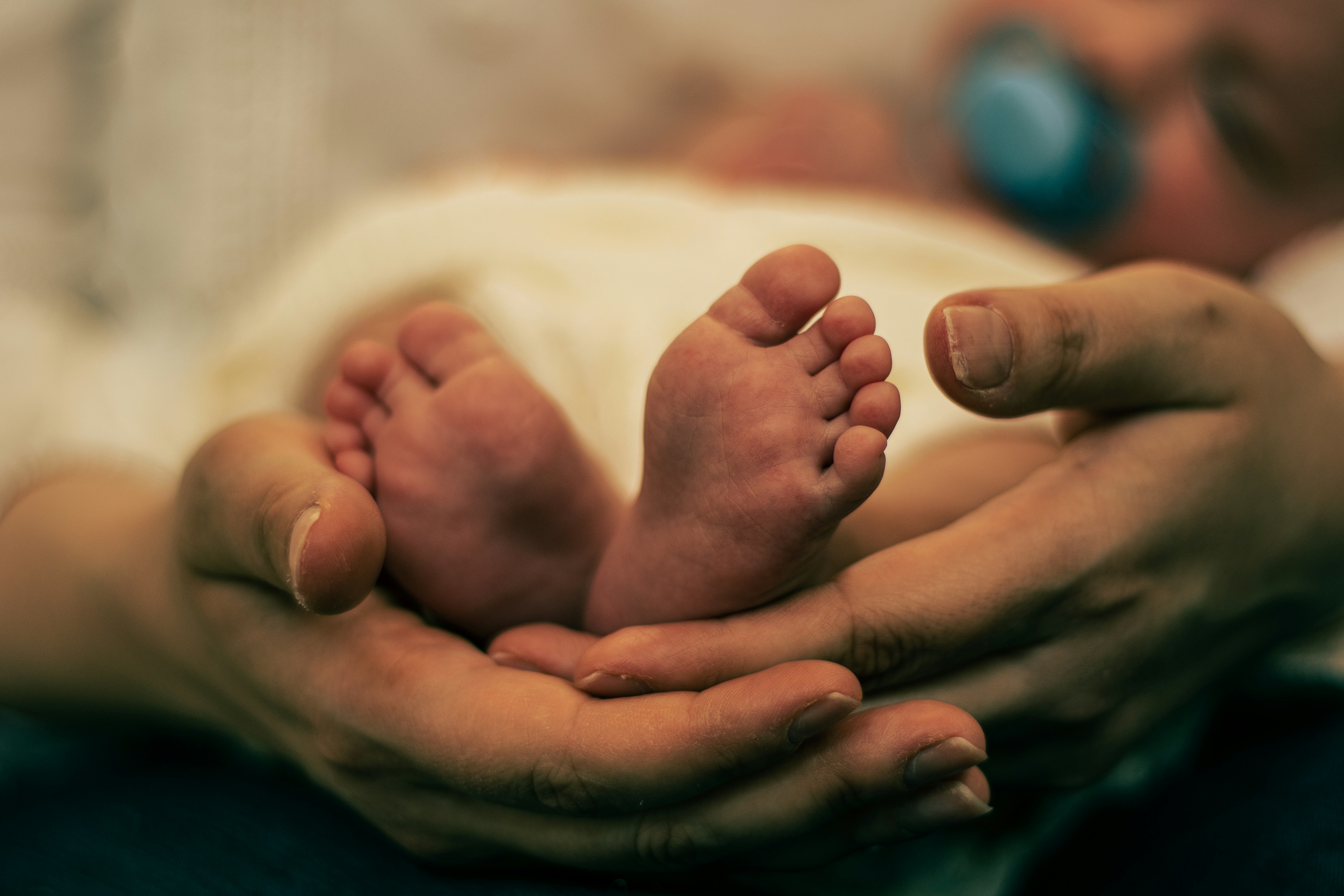
What I Was Doing When I Got Pregnant at Almost 44
A month-by-month account of the eighteen months that led to my daughter — after two failed IVF cycles and two clinics recommending donor eggs. Available to read in full on the resources page.
Read →
The Two-Week Wait as a Solo Woman: What Actually Helps
Two weeks of not knowing, in a body interpreting everything as a sign. The progesterone causes most of the symptoms. The symptoms don't tell you the outcome. What you can control is how you structure the time.
Read →
Telling People You're Having a Baby Alone: What to Expect
The fear is almost universal. The reality is almost always less terrible than the fear. What the conversations actually look like — and how to navigate the ones that don't go well.
Read →
The Cost of Waiting: What Women Who Did This Say They Wish They'd Known
The most common regret is not that they did it. It's how long they waited. What the HFEA data shows — and what women say looking back.
Read →
Building Your Village: The Support Network You Don't Know You'll Have
Will I be completely alone? One of the biggest fears before starting. What solo women consistently report after the fact is different from what they feared beforehand.
Read →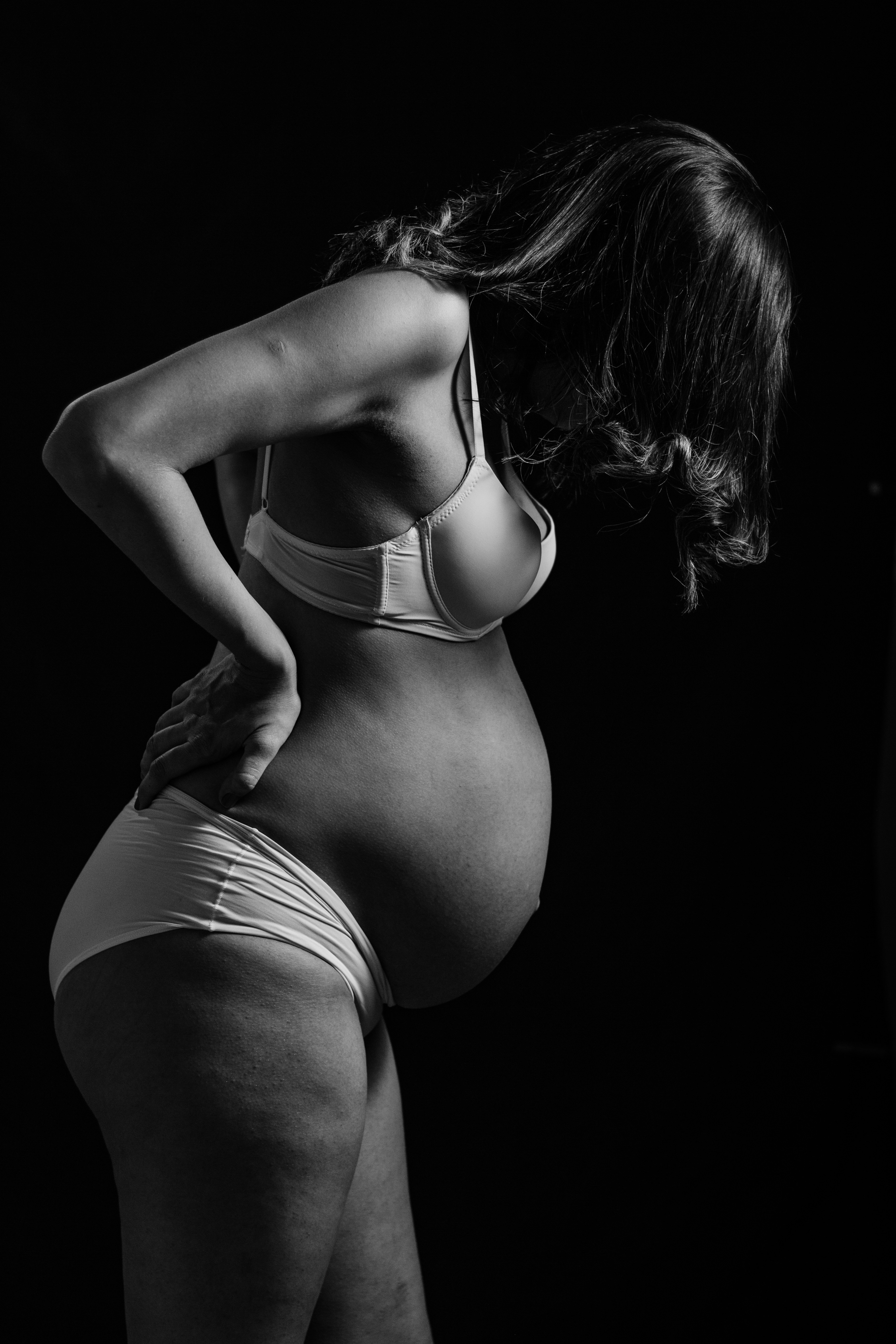
Celebrities Pregnant Over 40: What Their Stories Actually Tell Us
Celebrities keep getting pregnant in their 40s. But the detail that would change everything for you is almost never mentioned.
Read →